Driverless trucks run on a handful of Texas lanes, and AI now plans loads and coaches drivers. If you are early in your career, it is fair to ask: which jobs will still need me in 10 years?
Most exposed: long, straight interstate lanes
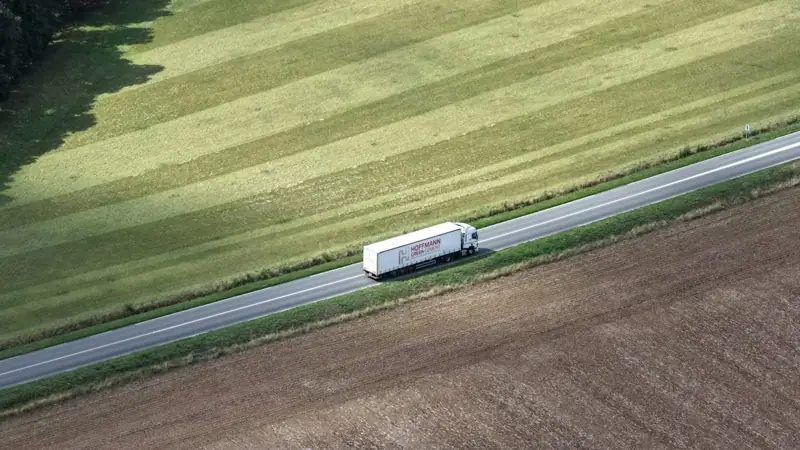
Autonomous trucks do best on mapped interstates between terminals, in good weather. Long-haul dry van between big hubs in the Sun Belt is where they show up first. Read driverless trucks and your job.
Safest jobs
- Local delivery and city work. Tight docks, traffic, customers and changing plans. There are 110 local jobs in our database.
- Dedicated store routes. Multiple stops, customer contact, sometimes unloading. Machines are bad at this.
- Flatbed and specialized. Securing loads, tarping, oversize and heavy haul need hands and judgment.
- Tanker and hazmat. Strict rules, loading procedures and endorsements. Get your H and N endorsements.
- Yard and shuttle. Moving trailers around busy yards, coupling and inspections.
- First mile and last mile around autonomous hubs. If driverless trucks take the middle of the trip, someone still drives the start and the end.
How to make yourself hard to replace
- Add endorsements: Hazmat, Tanker, Doubles/Triples.
- Get a clean, documented record. Carriers check PSP, MVR and the Clearinghouse. See the three reports every carrier checks.
- Learn the tech. Drivers who are comfortable with ELDs, cameras and apps are the ones fleets trust with new equipment.
Our take
AI will change trucking, but not quickly, and not evenly. Local, dedicated and specialized drivers will be needed the longest, and those jobs already pay well. If you want to move into one, tell us what you drive now and we will show you what you qualify for.
Want a recruiter who answers these questions before you ask?
Tell us 4 things and we match you with CDL-A jobs you can actually get. Free for drivers.